Top 10 Retailer

Top 10 Retailer


TABLE OF CONTENTS


  • a. Wal-Mart Stores, Inc.
  • b. Costco Wholesale Corporation
  • c. Kroger Company
  • d. Walgreens Boots Alliance, Inc.
  • e. Tesco PLC
  • f. Carrefour SA
  • g. Amazon.com, Inc.
  • h. Metro Group AG
  • i. The Home Depot, Inc.
  • j. Target Corporation

The future of retail lies not in technology, but in trust ...
Target
This year, Target.com opened its site up to third party sellers by creating the Target+ program. Target did this as an extension of its artisans and global partners who make goods carried in-store, aiming to continue to help underrepresented businesses expand their distribution. Target’s goal was to support third-party sellers’ growth while using their products to strengthen Target’s online shopping experience and meeting their customers’ (which they call guests) needs for more choices. 
Currently, the program, which is designed to expand key categories such as home furnishings, toys, electronics, and sporting goods, appears to be invitation only. It has recently added a supplier application portal and the process of registration is lengthy. You will need to write a proposal, showcase how your products align with the company’s customers and make a clear case for consideration. Your company also must be at least 51 percent owned, controlled, and operated by women, ethnic minorities, LGBT persons, or veterans.  
When submitting your application, be sure to include high-quality photos, sales data, unique features, and explain what sets your products apart from others. Also, make sure your application aligns with Target’s goals. The fee structure is unknown for those accepted into the program. Also, what’s very cool is that there is no way to specifically search for Target+ merchandise; products all fall into the company’s master merchandising mix!
Etsy
Etsy is the original, most successful marketplace for people to sell handmade, vintage, and original craft items internationally. While similar marketplaces have come and gone, Etsy has managed to establish itself as the destination for non-commercially produced items. The platform’s success can be credited for helping the handmade and artisanal movement go from niche cottage industry to a massively in-demand retail category. 
The Etsy marketplace currently operates in 83 countries and has 2.1 million active sellers and 39.4 million buyers who bought over 60 million products in 2018. In 2018, Etsy generated $603.7 million in sales and registered a net profit of $41.25 million. Unlike Amazon (which averages 12 percent), Etsy has kept their fee structure in-line with what its sellers are willing to pay, charging a listing fee of $0.20 and a transaction fee of 5 percent of the price of an item (shipping is set by the seller on top of these fees). Etsy Plus members pay a flat $10 per month. 
For brands, makers, or sellers who want to develop quality sales channels for their goods, Etsy is a must given its low barrier to entry, quality controls, and ability to conduct wholesale or retail business. 
Bonanza
Bonanza is an online marketplace that empowers entrepreneurs to build a sustainable business based on repeat customers. Bonanza has designed itself as a platform that allows sellers to make sales and build a brand by developing relationships with their customers. It encourages the retailers that use it to consistently invest in their business so that they not only have a firm foundation but can strategically grow through repeat customer purchases
They’ve also kept business scale simple, offering their sellers many automated features that are often hard to develop. For example, sellers can automatically sync their inventories to eBay, Amazon, and Shopify, edit product images, create marketing campaigns with Facebook and Google and even create zero-effort web stores (automatically built from your marketplace accounts).
Bonanza is considered one of the best choices for retailers with lifestyle brands or businesses; it has 25,000 registered fashion, beauty, home, and health-related businesses. Bonanza currently has 2.2 active million users. It has no listing fees for sellers. You only have a 3.5 percent post-sale commission on sales under $500. In general, sellers keep around 97 percent of the money they make from selling on the platform. 

Facebook Marketplace

Facebook, one of the largest social networks on the web with 2.45 billion users, launched its marketplace three years ago in order to provide a better experience than Craigslist. Since its launch, the Facebook Marketplace has grown to more than 800 million people, retailers, and professionals sellers. 
Selling on Facebook Marketplace is an easy process, and it offers different features for businesses and frequent sellers. As a retailer, you'll need to sync your up-to-date inventory and then wait a week or so for Facebook to review your products and approve them to sell on Marketplace. If you use Shopify, BigCommerce, Channel Advisor, ShipStation, or Quipt, you can automatically connect your inventory feeds to the marketplace in several simple clicks. If you don't have an inventory software they support, here’s how you get your products listed.
Recently, Facebook found that many of WhatsApp’s 1.5 billion users love talking about local small businesses. Because of this, Facebook created a new feature that lets small retailers create WhatsApp catalogs in order to create a mobile storefront for their businesses. The catalogs allow you to showcase and share your goods so people can easily browse and discover something they would like to buy locally on the go. The catalog feature is available on both Android and iPhone in Brazil, Germany, India, Indonesia, Mexico, the UK, and the U.S.

Alibaba
Alibaba is a force to be reckoned with in the e-commerce world. It was founded in 1999 as a B2B portal to connect Chinese manufacturers with overseas buyers. Today the marketplace is known as the “Chinese Amazon” and the platform provides C2C, B2C, and B2B sales channels, and offers many of the services that Amazon offers.  
Alibaba has upwards of 674 million users, about 775 million monthly mobile users and boasts a 60 percent share of the Chinese e-commerce market. Alibaba’s growth is attributed to retailers who are actively competing for their share of consumer spending in China’s growing economy. 
The company currently has over 8.5 million online sellers. This year, Alibaba opened its marketplace to small to medium-sized U.S. sellers in order to compensate for lean e-commerce revenue growth due to U.S.- China trade wars and online marketplace competition. In order to sell on Alibaba, you simply set up an account and follow their onboarding steps. Sellers don’t have any membership fees or set-up costs. Commission fees range from 5-8 percent. Gold supplier memberships start at $2,999 per year. 
eBay
eBay is one of the original, online marketplaces; it made over $95 billion in revenue in 2018. The online auction and shopping site currently serves 30 countries, 182 million users, and 25 million sellers worldwide. It’s a marketplace ideal for anyone wanting to sell literally everything and anything -- from collectibles and appliances to clothes and accessories -- at an auction price.
eBay has 6.7 million sellers in the U.S. who have the ability to sell to 190 markets around the world. If you want to tap into the power of yet another channel with a vast global market share, eBay is a great option. When selling on eBay, you’ll be looking at two primary types of selling fees - an insertion fee when you create a listing, and/or a final value fee when your item sells.
There are no setup, monthly, or annual fees to worry about. In general, the final value fee ranges between 10-12% of the sale. 
Overstock
Overstock started out as an online marketplace exclusively selling surplus, closeouts, and returned merchandise. Today, Overstock also sells new merchandise and has drastically overhauled its partner program. Like Target, it has an extensive vetting program for companies it allows on the platform to sell. 
The site currently has over 30 million unique visitors each month. The company takes a more community-based approach to the people it allows on the platform since revising its strategy in 2011. Overstock also now selects partners who support its initiatives that are designed to help global artisans, pet shelters, small business owners, and farmers. 
If you’re able to sell on Overstock, the registration is free and listing fees range from $0.10 to $3.15. The final value fee stands at 3 percent for items sold under $25. If items don’t land a sale, you can relist them as many times as you want until they sell. Sellers have product advertising options that range between $1 to $13. Overstock charges a flat $4.95 shipping cost on all orders under $45. That $4.95 goes to Overstock, not the seller. Many sellers who use Overstock use a solution like Channel Advisor to help manage their presence there. 
Rakuten
Rakuten is considered the “Amazon of Japan”. More than 90 percent of Japan’s internet users are registered on Rakuten. Rakuten has expanded to at least 29 countries, including the U.S., and is planning to serve more countries in the coming years. The platform currently has 44,000 sellers and 105 million members. 
Unlike Amazon, Rakuten does not sell its own brands and the lower number of sellers limits competition. If you’re looking for an alternative to eBay or Amazon, Rakuten is worth a review, as it offers a high degree of customization, excellent product marketing opportunities, listing optimization features, and the ability to create highly customized visual storefronts. 
If you want to expand into Japan, Rakuten is how to test the waters. Rakuten has a $33 monthly seller fee, a product category fee of between 8 percent and 14.5percent and a $0.99 fee per item sold. The higher fees are offset by their seller loyalty program and e-commerce integrations and features. 

Amazon

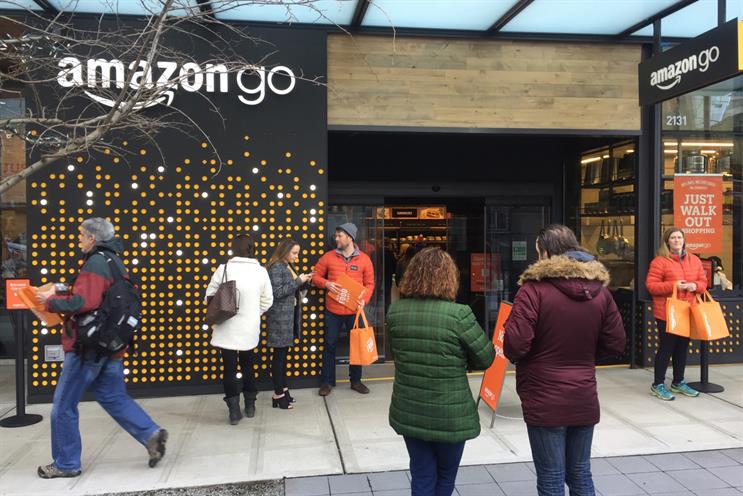
Amazon.com has almost become a must for retailers, wholesalers, or manufacturers. Internet Retailer estimates that the total value of transactions from U.S. consumers on Amazon.com reached $206.82 billion in sales last year (including sales of Amazon’s own products and of marketplace sellers). This means Amazon alone accounts for 40 percent of U.S. online retail, and Amazon accounted for 43.3 percent of e-commerce gains in the United States last year. 
Amazon operates retail websites for 16 countries, including the United States, the United Kingdom, Ireland, Canada, France, Spain, Italy, Germany, Netherlands, Brazil, China, Japan, Australia, India, Singapore, Mexico, and Turkey. As the largest Internet retailer in the world, Amazon is often where sellers launch their first online stores, and many thrive in this all-in-one marketplace alone. Amazon currently has 310 million active users and 90 million Prime members. 
Amazon offers sellers several options to wholesalers, manufacturers, brands, and artisans who want to sell on their platform. Amazon’s options include the ability to sell in 20 different categories (professional sellers can sell in up to 10), shipping fulfillment services, 1500+ app integrations, robust seller education resources, and ways to market your products to all Amazon users. Amazon has also developed a customized handmade program for artisans who make their own products. 
Fees range depending on services and use of the platform. Seller fees range from 6-20 percent, averaging at about 15 percent If you want to sell using the professional account, you pay $39.99/month. If you sell as an individual, you pay $0.99 per item with no additional monthly fees.
Walmart
7 Stores With the Best Layaway Programs in 2019
Walmart’s third-party seller platform has been exclusively available to U.S.-based sellers. Walmart has over 2 million third-party sellers that sell in 35+ product categories on its marketplace. Walmart.com has over 90 million active visitors each month. The company has been slowly expanding its online marketplace to sellers from other countries, including Canada, the United Kingdom, and China. 
Walmart (which bought Jet.com and also operates SamsClub.com) has lagged behind in the e-commerce area, as its main focus has been the 11,438 stores and clubs in 27 countries, operating under 55 different names. That’s quickly changing as Walmart has been actively buying online websites and brands since 2016. 
Their seller fees range between 8-15 percent and they don’t have start-up membership or listing fees. You must request an invitation to sell. This application gets you access to Jet.com (you can still sell on Jet directly) and all of Walmart’s online properties if you’re accepted.
                        In the Other Views
2019 was one of the hardest years in living memory for the retail sector - we saw slowing consumer spending, a push from consumers for an adoption of more ethical practices by retailers and a rapid increase in online sales. This resulted in a massive number of store closures, over 9,000 in the US alone and profit warnings from multiple retail businesses. 

Despite these challenges, the world’s biggest retailers remain some of the highest turnover companies in the world and a recent report by the Institute for Real Growth (IRG) undertaken by Kantar/WPP highlights the sheer scale of these businesses. All figures are estimates based on FY 2018 and/or year to date results for year to date March/April 2019. 

To make it on to the list of the top 50 retailers in the world companies need to turn over in excess of $24bn. The company with the lowest number of stores to make the list was H-E-B in the US with 384 and the company with the most stores was Seven&I in Japan with 37,346.

The US is the most recognized nation on the list with 17 of the companies being based there, followed by France with 7 and Germany with 6. China has just 4 retailers on the list - JD.com, Alibaba, Suning, and China Resources Enterprise. 

The top 10 retailers by turnover World Wide
  1. Walmart (US) - With $517bn in global revenue Walmart is still over double the size of Amazon, despite Amazon enjoying a significantly higher market capitalization. US-focused Walmart continues to expand internationally and 23% of revenue now comes from outside the US, 4% higher than Amazon. 
  2. Amazon (US) - The top online retailer globally with $213bn in revenue. The higher market capitalization of the business comes to its 5-year growth rate of 22% compared to just 1% for Walmart and $10bn in profits for the past financial year, significantly higher due to its highly profitable cloud computing business.
  3. Costco (US) - The value big-box retail saw $144bn in sales. This revenue was driven from just 788 sites - showing the big store model can certainly drive high volumes. 
  4. Schwarz Group (Germany) - The highest non-US entry on the list saw revenues of $130bn with 63% of revenue coming outside of Germany for the group that owns the Lidl supermarket chain and other retail assets. 
  5. Kroger (US) - With no international presence Kroger still generated $124bn in revenues from just 3,037 stores in the US. This is compared to Schwarz’s 12,000 stores and $130bn. 
  6. Walgreens Boots Alliance (US) - The largest pharmacy company in the world generated $114bn in revenue with 13% of sales coming from international businesses, most notably the high street pharmacy Boots, in the UK. 
  7. Home Depot (US) - The only home improvement company in the top 10 is Home Depot with sales of $108bn. The company is less likely to feel the threat of Amazon due to the specialized nature of the products it sells. 
  8. Aldi (Germany) - 70% of sales for Aldi now occur outside of Germany, showing how popular the German chain has become across Europe. 11,922 stores are estimated to generate sales of $109bn. 
  9. Carrefour (France) - Still Europe's biggest supermarket chain by volume of stores - the French giant is now coming under increasing pressure across key markets from the German Schwarz and Aldi groups. Sales came in at $101bn. 
  10. JD.Com (China) - With sales of $94bn JD.com is twice the size of it’s more famous, certainly in western countries, competitor Alibaba. This high revenue has now seen the company invest heavily in other technology products. None of the companies revenue comes from outside of China.
Other stand out names on the list include Apple in 21st place with revenue of $59bn, Ikea in 22nd place with sales of $53bn and Alibaba in 25th place with sales of $49bn - although its growth rate of 44% over the past 5 years is more than double that of Amazon. 2019 might have been a hard year for the retail industry in general but it’s a sector where the big companies are only getting bigger and more powerful.


Who is Number 1 in Corona Era

Who is Number 1 in Corona Era 


USA or China


China's Battle with Coronavirus: Possible Geopolitical Gains and ...

The grim milestone came as President Donald Trump predicted the nation would get back to work "pretty quickly". but it is laughing to people.....

How did the White House react?

Asked about the latest figures at a White House briefing on Thursday afternoon, President Trump said it was "a tribute to the amount of testing that we're doing".

Vice-President Mike Pence said coronavirus tests were now available in all 50 states and more than 11,952,481(16th May) tests had been conducted nationwide.
  • Trump says US tested more than S Korea - is he right?
Mr Trump also cast doubt on the figures coming out of Beijing, telling reporters: "You don't know what the numbers are in China."But later, he tweeted that he had had a "very good conversation" with China's President Xi Jinping.

"China has been through much & has developed a strong understanding of the Virus. We are working closely together. Much respect!" President Trump said.

Coronavirus pandemic makes it clear Europe must choose US or China ...

Does the president still hope to ease restrictions?

Mr Trump has set a much-criticised goal of Easter Sunday, 12 April-2020, for reopening the country. That plan seemed to gather impetus on Thursday as it emerged an unprecedented 9.3 million Americans have been laid off because of the virus.

At Thursday's briefing, he said: "They [the American people] have to go back to work, our country has to go back, our country is based on that and I think it's going to happen pretty quickly.

"We may take sections of our country, we may take large sections of our country that aren't so seriously affected and we may do it that way."He added: "A lot of people misinterpret when I say go back - they're going to be practicing as much as you can social distancing, and washing your hands and not shaking hands and all of the things we talked about."What could he be planning?

Coronavirus Pandemic Will Not Change Global Order or Benefit China

In a letter to state governors on Thursday, Mr Trump said his team plans to release federal social distancing guidelines that may advise some regions to loosen restrictions.

Mr Trump wrote of a "long battle ahead" and said "robust" testing protocols might allow some counties to lift their safeguards against the coronavirus.He said the "new guidelines" would create low, medium and high risk zones that would allow the government to advise on "maintaining, increasing, or relaxing social distancing and other mitigation measures they have put in place".
  • Trump knows economic meltdown brings political pain
  • What this crisis reveals about US - and its president
On Thursday night, Mr Trump phoned in to Fox News host Sean Hannity's program and said he believed Iowa, Idaho, Nebraska and parts of Texas could reopen earlier than other states.

The plan emerged as new research on Thursday estimated Covid-19-related deaths in the US could top 180,000 over the coming four months - even if people observe strict social distancing.

As many as 2,300 patients could be dying every day by April(in an average), according to the study from the Institute for Health Metrics and Evaluation at the University of Washington's School of Medicine.What's the reaction?

The Republican president's get-back-to-work goal found unexpected support on Thursday from a prominent Democrat.Governor Andrew Cuomo of New York, the current coronavirus epicenter in the US, said statewide quarantine orders may not have been the best approach to coronavirus.

"Young people then quarantined with older people was probably not the best public health strategy," he told a news conference, "because the younger people could have been exposing the older people to an infection."Mr Cuomo said a better way forward might be a "get-back-to-work strategy" in tandem with a public health strategy.

Public health experts on the White House task force have demurred when asked about reopening the country by Easter, suggesting the timeline should be "very flexible".

Can the president order everyone back to work?

 On 16 March, he set a 15-day period to slow down the spread of Covid-19 by urging all Americans to drastically scale back their public interactions.But those guidelines were voluntary and did not amount to a national order.

The US Constitution makes clear states have the power for maintaining public order and safety, which scholars say means it is the responsibility of governors to decide when virus-related restrictions get lifted.Currently 51 US states have told residents to stay in their homes or ordered the closure of non-essential businesses in order to contain the pandemic.What's happening elsewhere in the US?

There were growing fears that Louisiana could become the country's next hot spot, with the governor warning that the state's biggest city, New Orleans, were out of ventilators by 2 April and potentially out of beds by 7 April.

China unlikely to emerge as leader of post-coronavirus world ...

"It's not conjecture, it's not some flimsy theory," John Bel Edwards told a news conference. "This is what is going to happen."Additionally, Dr Deborah Birx, the co-ordinator of the White House coronavirus response, said two other cities showed signs of rapidly rising new infections - Detroit, where the mayor described the situation as "really concerning", and Chicago.


In The Economic Sector ||

More countries currently see the United States as the world’s leading economic power than China. This is particularly true in Latin America and the Asia-Pacific region. Few name Japan or the European Union as the world’s leading economic power today.

But, while perceptions of current economic leadership are somewhat divided between the U.S. and China, when it comes to preferred global leadership, there is no competition. Majorities or pluralities in nearly every country surveyed say the future would be better if the U.S. were the world’s leading power than if China were.

U.S. seen as world’s leading economic power
The publics surveyed tend to believe the U.S. is the world’s leading economic power, albeit by a somewhat slender margin. Across 25 countries, a median of 39% name the U.S. as the top global economy, while 34% say it is China. Fewer say this about the EU or Japan.

Does China Need Allies? | The National Interest

America is seen as the leading economy in all three Latin American countries surveyed – Brazil, Mexico and Argentina. In the Asia-Pacific region, only Australians are more likely (52% vs. 35%) to name China as the world’s leading economic power. Australians have, in fact, consistently named China over the U.S. since the question was first posed in 2008.

In sub-Saharan Africa, publics in Kenya, Nigeria and South Africa are divided in their views: No more than four-in-ten name either the U.S. or China as the world’s top economy.

European opinion, too, is mixed. In the two Eastern European countries surveyed – Hungary and Poland – the U.S. is the clear favorite. In the Southern European countries of Italy and Greece, too, more name the U.S. than China. But in France and the UK there is no clear consensus; nearly as many point to the American as to the Chinese economy.

 Meanwhile, in the Netherlands and Germany, opinion leans in favor of China. This is especially true in Germany, where about half (53%) view China as the world’s economic leader. Germans name the EU as often as the U.S. as the world’s leading economic power (21% vs. 19%).

Compared with a year ago, slightly more in the UK, France and Poland name the U.S. as the world’s leading economic power. By contrast, Germans are now less likely to see the U.S. as the globe’s dominant economy.

Regardless of which country people think is the current leading economic power, one thing is consistent: Most publics surveyed prefer the American leadership. When thinking about the future, a 25-country median of 63% say they prefer a world in which the U.S. is the leading power, while just 19% would favor one in which China leads.

In the Asia-Pacific region, few say they prefer China. Among China’s immediate neighbors, preference for the U.S. is particularly high: 81% of Japanese, 77% of Filipinos and 73% of South Koreans all favor a future where Washington, not Beijing, leads. In Australia – where 52% say China is the current leading economic power – nearly three-quarters still say they prefer a future where the U.S. is the world’s dominant power.

Argentina, Russia and Tunisia stand out as the only three countries where just one-third or fewer prefer U.S. leadership.

In many countries, preference for a U.S.-led world order is linked to ideology. Those on the ideological right are more likely than those on the ideological left to say that it’s better for the world if the U.S. is the dominant power. This ideological divide is most pronounced in Israel, where 74% of Israelis who self-identify as being on the right say they prefer Washington’s leadership, compared with 45% of those on the left.


Top 10 Trending Diets of 2020 According to Google

 Top 10 Trending Diets of 2020

 According to Google


Today, Google is putting out its annual Year In Search report, which includes the top trending diet searches of the year in the US. You’ve probably heard of most of them, if not tried a few yourself. Some are actually sound, nutritionists say, while others don't necessarily have much scientific backing...and a few are a little off the wall. Here's the entire list of the top trending diets of 2019, starting from the top.


Intermittent fasting diet

The intermittent fasting diet caught everyone’s attention recently when Jennifer Aniston revealed that she does it. There are different versions of this diet, which involves periods of going without solid food—Aniston favors the 16:8 version, which means she eats within an 8-hour window then fasts for 16 hours. But does it actually work? It can.
“It’s suspected that the reason it helps people lose weight is that eating within an 8-hour window simply limits the total amount of calories consumed in a day,” New York-based nutritionist Lauren Harris-Pincus, RD, previously told Health.

Dr. Sebi diet

The Dr. Sebi diet is a controversial one. The guy behind it is the late Alfredo Darrington Bowman, aka Dr. Sebi, who wasn’t a medical doctor but a self-educated herbalist. It didn’t help that he claimed (until a 1993 lawsuit ordered him to stop doing so) that his diet could cure conditions like AIDS, sickle cell anemia, lupus, and leukemia. Basically, the Dr. Sebi diet promotes consuming plant-based foods and supplements that supposedly decrease disease-causing mucus by bringing the body into an alkaline state.

Noom diet

“Noom diet” was one of the top trending diet searches in 2018, and it’s high on the list again this year. Noom is actually an app—one that lets users log meals, access workout plans, track exercise, set goals, rate their motivation level, and connect with like-minded people. It also has articles, recipes, and support from personal health coaches (although not RDNs).
If that’s not enough, if attempts to address emotional eating and looks at how factors like stress and boredom can affect eating decisions. That all comes at a price, however: around $50 a month, and the plan is designed to last for four months. “While the app provides support, the user ultimately has to make his or her own eating and exercise decisions,” Cynthia Sass, MPH, RD, Health contributing nutrition editor, previously told Health.

1200 calories diet

Just as the name of this diet implies, it's an eating plan that limits dieters to 1200 calories daily. Many variations exist, and the diet doesn't restrict any one food group or type of food. While sticking to 1200 calories a day might sound feasible for the short-term, keep in mind that the USDA's Dietary Guidelines for Americans advises that moderately active women between ages 26 and 50 should take in about 2,000 calories daily to maintain a healthy weight. Cutting back to 1200 might be too restrictive to sustain.

Keto ultra diet

The high-fat, low-carb keto diet was at the top of last year's top trending diets list from Google. Quick refresher: the goal of the diet is to get your body to a state of ketosis, where you burn fat for energy rather than carbs, which leads to weight loss. This variation of the super popular keto diet is basically keto with supplements, which claim to put your body in a state of ketosis or increase fat burning while you're in ketosis already.

GOLO diet

The premise of the GOLO diet is that hormone imbalances lead to stress and anxiety, and this in turn makes you hungry and tired...which triggers overeating. While diet and exercise are part of the GOLO plan, users are also advised to take a supplement called Release to help bolster those healthy habits and boost weight loss. "Without independent data on Release, it’s difficult to say if it indeed leads to better results, and if it’s safe for all," Sass previously told Health.

Dubrow diet

Created by Heather Dubrow of Real Housewives of Orange County and husband Terry Dubrow, MD, one of the stars on Botched, the Dubrow diet is an intermittent fasting plan with three phases that focuses on whole foods and restricting calories. The diet features sample meal plans and it doesn't eliminate carbs. But all the phases and fasting windows could make it a bit complicated to follow, Sass previously told Health.

Sirtfood diet

The Sirtfood diet can be filed under “Is this too good to be true?” It claims to be the only eating plan which actively encourages red wine and dark chocolate, which are both high in sirtuin activators. (Sirtuins are a type of protein that protects the body’s cells from dying and from inflammation, and research suggests they can help regulate metabolism, increase muscle, and burn fat.) This diet has actually been making headlines for a while due to (unsubstantiated) claims that singer Adele followed it to lose weight.

No carbs no sugar diet

This plan appears to come from Jennifer Lopez and Alex Rodriguez, who announced on Instagram back in January that they would be attempting a 10-day no carb, no sugar challenge. Apparently J. Lo discovered that cutting out an entire macronutrient was not easy and reported this on social media: "So it turns out, when you don't have sugar and you don't have carbs, you're really really hungry all the time. So we're trying to figure out a lot of good snacks."

Endomorph diet

This diet is inspired by research from the 1940s, when a psychologist classified people into three body types: ectomorphs, mesomorphs, and endomorphs, the latter having excess fat and less muscle tone. Supposedly, endomorphs have slower metabolisms, and their bodies are more likely to convert excess calories to fat. They're advised to eat more protein and fats while keeping an eye on carb intake.
If Google's 2019 list has inspired you to try any of these diets, just remember that most diets don’t work, insofar as they don’t lead to sustained weight loss. The worst case scenario is that a structured eating plan (no matter how “healthy” it claims to be) can lead to disordered eating habits.

The 12 Best Weight Loss Tips in 2020

The 12 Best Weight Loss Tips in 2020


I’ve been writing about weight loss for years. But I have also counselled real people for decades, and here’s what I know: What makes headlines, generates buzz, or becomes trendy doesn’t always pan out in everyday life. I’ve talked to countless clients whose attempts with cleanses, extreme diets, and popular weight-loss tactics completely backfired, leaving them right back where they started (or worse).
While I don’t believe in a one-size-fits-all approach to losing weight, the reality is that there are a few truths that apply to nearly everyone. For one, if your weight-loss method leaves you feeling hungry, cranky, run-down, or socially isolated, it’s probably not healthy or sustainable. Losing weight should enhance your health, not come at the expense of your health. Also, if your weight loss approach doesn’t become a lifestyle, you’ll likely slip back into old habits, and the weight will creep back on.
So, what does work? Here are a dozen strategies that truly hold up in my experience working in the trenches. Each has the power to support healthy weight loss, while simultaneously enhancing health (the ultimate win-win), and they all have an essential criterion: stick-with-it-ness.

Eat real food

A calorie isn’t a calorie. Three hundred calories worth of cooked oats topped with blueberries, cinnamon, and nuts isn’t going to have the same effect on your body as a 300-calorie blueberry muffin made with refined carbs, sugar, and artificial additives.
In addition to offering more overall nutrition, whole foods are more filling, satiating, and energizing, and they create a different impact on blood sugar and insulin regulation, digestion, and metabolism. I have seen numerous clients break a weight-loss plateau or start losing weight simply by switching from processed foods to whole foods—even without eating fewer calories. The effect is backed by research, but it also just makes sense. If you do nothing else, upgrade the quality of what you eat, and make this goal the foundation of your weight loss (and ultimately weight-maintenance) plan.

Eat more veggies

According to the CDC, just 9% of adults eat the minimum recommended intake of two to three cups of veggies per day. In my practice, I see that even health-conscious people often miss the mark. But for both weight loss and optimal health, consistently eating more veggies is one of the most important habits you can foster.
Non-starchy vegetables—like leafy greens, broccoli, Brussels sprouts, cauliflower, zucchini, tomatoes, peppers, mushrooms, and onions—are incredibly filling and nutrient rich, yet they provide just 25 calories or less per cup. Their fiber, prebiotics, and antioxidants have been shown to reduce inflammation, a known obesity trigger, and alter the makeup of gut bacteria in ways that enhance immunity and improve mental health.
I advise my clients to build meals around veggies, so they’re never an afterthought. Aim for one cup (about the size of a tennis ball) at breakfast, two cups and lunch, and two cups at dinner, with the portions measured out before cooking if cooked (such as spinach, which shrinks way down). At breakfast, whip greens into a smoothie, fold shredded zucchini into oats, add veggies to an egg or chickpea scramble, or simply eat them on the side, like sliced cucumber or red bell pepper. Go for salads or bowls at lunch, instead of sandwiches or wraps, with a large base of greens and veggies. At dinner, sauté, oven roast, grill, or stir-fry veggies, and make them the largest component of the meal.
There is no downside to this goal, and it has a healthy domino effect on nearly every other aspect of wellness, from healthy sleep to beauty benefits—in addition to truly working for sustainable weight loss.

Drink more water

You’ve probably heard this one a million times, and it helps. But in my practice, I find that most people don’t follow through. Water is needed for every process in the body, including healthy circulation, digestion, and waste elimination. Studies show that water does indeed help rev metabolism, and while the effect may be slight, it can snowball to create a greater impact over time.
Drinking water before meals has also been shown to naturally reduce meal portions, which may help prevent slight overeating, which inhibits weight loss. According to the Institute of Medicine, women 19 and older need 2.7 liters of total fluid per day (over 11 cups) and men need 3.7 liters (over 15 cups). About 20% of your fluids come from food, but that still leaves 8-12 cups based on the IOM guidelines, not including additional needs due to exercise.
As a minimum I recommend eight cups a day. Think of your day in four blocks: 1) from the time you get up to mid-morning; 2) mid-morning to lunchtime; 3) lunchtime to mid-afternoon; and 4) mid-afternoon to dinnertime. Aim for two cups (16 ounces) of water during each of these blocks. Set your cell phone alarm as a reminder if you need to. And if you’re not a fan of plain water, spruce it up with healthful add-ins, like lemon or lime, fresh mint, sliced cucumber, fresh ginger, or slightly mashed bits of seasonal fruit.

Eat on a regular schedule

This is a biggie. In my experience, a consistent eating schedule helps to regulate appetite and better support metabolism, energy, and digestive health. My clients who eat at erratic times tend to be more prone to over or undereating. Both are problematic, as undereating can stall metabolism and lead to rebound overeating.
For most of my clients, a good rule of thumb is to eat within about an hour of waking up, and not let more than four to five hours go by without eating. This may mean something like breakfast at 7 a.m., lunch at noon, a snack at 3 p.m., and dinner at 7 p.m. Once you get into a groove with meal timing, your body tends to respond with hunger cues at expected meal/snack times and crave balance, meaning a drive to stop eating when full. I also recommend allowing at least two to three hours between the last meal and bedtime. This provides time for digestion, and averts eating during your least active hours, when your body is preparing for sleep and unable to burn an unneeded surplus of fuel.

Be strategic about meal balance

The bulk of my last weight loss book, Slim Down Now, was based on the idea of building your meals like you build your outfits. When you get dressed, you need a top, bottom, and footwear. You can get away without wearing socks, but you wouldn’t wear two pairs of pants and no top, and you can’t wear two pairs of shoes at the same time.
In the same way, there are three core pieces that make up the foundation of a healthy meal: non-starchy veggies (think top); lean protein (think bottom); and good fat (think shoes). These foundation foods provide the building blacks that support metabolism, and the ongoing maintenance and repair of cells in your body—from immune cells to hormones, red blood cells, enzymes that digest food, hair, skin, and organs.
To this core trio, add what I refer to as an “energy accessory” (aka healthy carb), which you can think of as an add-on to a meal, like putting on a jacket over your top, carrying a bag, or wearing a hat or scarf. These good carb foods, which include whole grains, starchy vegetables, pulses (the umbrella term for beans, lentils, peas, and chickpeas), and fruit, provide energy to fuel the activity of your cells and help them perform their roles. Cutting them out completely can lead to fatigue, and rob your body of important nutrients, including fiber, prebiotics, vitamins, minerals, and antioxidants. But overdoing it on carbs can result in overfueling (over accessorizing), which interferes with weight loss.
To strike the right balance, match your carb portion to your body’s energy demands, much like putting on a heavier jacket when it’s cooler out, and a lighter hoodie when it’s balmy. This outfit analogy can help you see where you’ve been out of balance, and how to tweak meals that allow for weight loss while still nourishing your body. For example, the alternative to a burrito isn’t veggies and protein only—it’s something like veggies and protein along with avocado and a small scoop of brown rice.
Contrary to what many people believe, balanced meals do result in weight loss (albeit more slowly), and extremes aren’t necessary in order to shed pounds. This kind of sensible meal balance is also far more sustainable long term.

Time your meals sensibly

Intermittent fasting is currently a huge trend. While the research is young, it does look promising. However, in my practice, I still see a consistent pattern. People who eat most of their food during their more active hours, and eat less or fast during their least active hours, get better results than those who do the opposite. In other words, the timing of your “eating window” matters.
If you decide to try intermittent fasting and limit your eating to eight to 10 hours a day, eat when you’re up and about, moving, and exercising, not when you’re resting and winding down. Over and over I have seen clients lose weight by simply shifting the timing of their meals. For example, for clients who do practice time-restricted eating, those who eat between 9 a.m. and 5 p.m. typically get better results than those who eat between noon and 8 p.m.—if they’re sedentary in the evening, that is.  And I think it’s worth noting that I’ve seen many, many clients successfully lose wright and keep it off without practising intermittent fasting or time-restricting eating at all, if they implement many of the other principles laid out here.

Cook at home more often

This one may be pretty obvious, but it’s tried-and-true. Takeout and restaurant meals are notorious for oversized portions and a generous use of starch and sugar. And it’s really difficult to not eat too much, whether that’s due to the tastiness, or not wanting to waste food—even if it’s more than your body needs.
The caveat to cooking at home is that it generally needs to be fast and easy, especially when you’re tired and hungry! I advise my clients to select a few staple meals, and keep the ingredients on hand. When you know what to make, how to make it, how long it’s going to take, what it will taste like, and how you’re going to feel afterwards, you’ll be a lot more likely to get in the kitchen.
Healthy shortcuts and minimal ingredients are encouraged. A few go-tos my clients like include: ready-to-eat leafy greens tossed with salsa fresca, topped with a crumbled veg burger patty, sliced avocado, and a scoop of black beans; or a scramble made with veggies, extra virgin olive oil, Italian seasoning, sea salt, black pepper, eggs, or chickpeas, and a side of fresh fruit. Find a few meals you enjoy that leave you feeling simultaneously full, satisfied, and energised, and that aren’t too time intensive.
In addition to supporting healthy weight loss, you can also save a considerable amount of money, and you can use your cooking time to unwind, listen to a podcast, or catch up with your partner.

Re-evaluate alcohol

In addition to providing calories, alcohol tends to lower inhibitions and stimulate appetite. I think we’ve all experienced eating foods we wouldn’t touch sober, and/or overeating with abandon while tipsy. So alcohol is a bit of a double whammy when it comes to weight loss. Many of my clients who cut out the two glasses of wine or cocktails they typically sip with dinner have dropped a size without making any other changes.
But if cutting out alcohol altogether doesn’t suit your lifestyle, consider committing to a specific drinking strategy. Some of my clients limit alcohol to weekends only. Others curb their consumption to a one drink max per day. In some cases, finding new ways of socialising helps considerably. My clients that typically spend time with friends by eating and drinking have had success by expanding their activities to include outings that don’t heavily revolve around drinking like meeting for coffee, going to a museum, play, or doing something active, such as going for a hike or bike ride.

Develop a splurge strategy

It’s not realistic to go the rest of your life never having treats, including both sweet and savoury favourites. Repeatedly I have seen that trying to do so causes people to give up, abandon their weight loss goals, and slide back into old, unbalanced habits.
Instead, build can’t-live-without goodies in a balanced way. First, identify your very favorites. I ask my clients to rank foods using a 0-5 scale, with 0 being ‘meh’ and 5 a special food they can’t imagine forgoing forever. If something doesn’t rate at least a 4, you’re probably going to be OK passing it up.
But make room for those true faves. For example, if French fries are your thing, combine them with a lettuce wrapped veg or turkey burger, along with salad, veggies, or slaw. If you’re craving a decadent cupcake, eat a generous portion of veggies and some lean protein for dinner, and savor every morsel of your dessert. This is not at all about willpower, diet “rules,” or restriction—it’s about balance, and it feels good.
Most of us have been programmed to live in the all or nothing, but the in-between is a much happier, healthier place to be. And trust me, you can do this and still lose weight. Let go of the notion that weight loss requires extreme limitations. The real key is consistency, and this approach, although seemingly unconventional, is highly maintainable.

Don’t starve yourself

I’ve eluded to this a few times, but let me be blunt: In my 20 years of counseling clients, I have never once seen someone lose weight and keep it off by starving themselves. Have I seen people lose weight this way? Yes. But, in every case they either got sick or became physically, emotionally, or socially unable to keep it up—and regained all of the weight (sometimes plus more).
As a health professional, my goal is to help people lose weight in a way that feels good, optimizes wellness, and reduces the risk of immediate and long-term health problems. Starvation checks not one of those boxes. I’ve seen clients pay tons of money to go to spas that underfeed and overexercise their bodies, try cleanses, extreme fasts, or adopt severely limited diets, and the side effects have been disastrous.
I completely understand the pull these types of methods can attract, but chances are you’ve already tried some version of this in your life, and it didn’t end well. If you’re tempted again, listen to your gut, and remind yourself that a quick fix is ultimately a dead end.

Differentiate mind hunger from body hunger

Many of my clients are surprised how much time we spend talking about this, but in my experience, it’s fundamental for both weight loss and a healthy relationship with food. Body hunger triggers signs that are physical in nature, like a slightly growling tummy and a need for fuel. Mind hunger has nothing to do with your body’s needs. It may be driven by habit, emotions, or environmental cues—like seeing or smelling food, or watching other people eat.
I use breathing, guided meditation, and mindfulness to help my clients differentiate between the two, and the results are profound. I’ve had many clients tell me they’re hungry one hour after eating a perfectly balanced meal. And when we drill down, they realize that it’s not hunger they’re experiencing, but anxiety, boredom, or maybe the desire for reward or comfort. We are practically programmed for birth to use food to meet non-physical needs. We celebrate with food, bring food to loved ones when something bad happens, use it to bond, show love, and even pass time. We also learn to self-soothe with food, and we pair eating with other activities, like watching TV or reading, which then become uncomfortable to uncouple.
Delving into your personal relationship with food, and the whys behind your eating choices, can provide a wealth of knowledge. If you keep a food journal, add your thoughts and feelings to it, including why you chose to eat when and what you did, and what body signals you were experiencing. Until you really understand your patterns, they’re nearly impossible to change. If you find that you often mistake hunger for emotional eating, test out some alternative coping mechanisms that address your feelings. You cannot transform overnight, but as you begin to replace food with other ways of meeting your emotional needs, you will alter how you eat forever.  And for many people, this is the final piece of the weight loss puzzle.

Seek support

All of the previous tips focus on forming different habits, letting go of approaches that haven’t served you well, and developing a new normal. This doesn’t happen in a vacuum. And you may even have people in your life who are unsupportive or disruptive to your goals.
Find support from somewhere. It can be a professional like me, a friend, co-worker, neighbor, even an app, website, or a like-minded person you’ve connected with through social media. I’ve had so many clients get talked out of healthy approaches because someone in their life convinced them it wasn’t necessary or wouldn‘t work. It’s difficult to see that happen when the approach in question felt right to the client and was helping them feel well. But this is bound to happen whenever you go public with any type of lifestyle change.
To counter it, find your person or people who will listen, allow you to vent, support your healthy choices, and even gently interject if your choices don’t line up with wellness-focused goals. Healthy weight loss is a journey, but it shouldn’t be a solo expedition. Find at least one resource to keep you from losing your way.