4 Job Tips During Corona
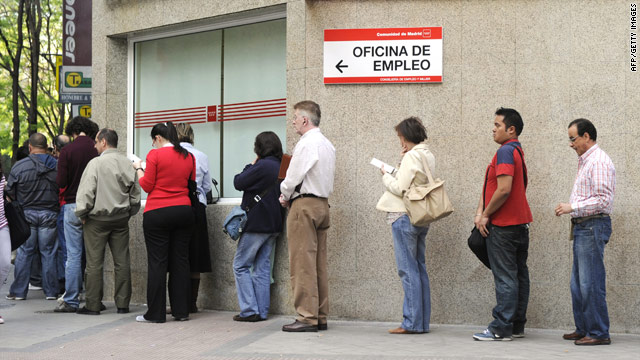
Most HR departments and managers are just getting everyone up to speed on the logistics and daily routines of a fully remote workforce so it might be difficult to reach people in the first few weeks of the transition, says Kathleen Landers, executive director of SEQUENCE Counseling and Consulting Services in Silver Spring, MD. Plus, “people have a lot of concerns—they might have elderly parents, relatives in other countries, young children to take care of, even their own health issues.”
Be prepared for job openings to be put on hold or disappear, even if they’ve been open for a while. That doesn’t mean they won’t open up again in a few months. Landers admits she herself was getting ready to hire someone but decided to put that on hold for a few weeks. “If I can tell my business will maintain the same level of income and consumers will still want the product, then I will move ahead,” she says.
With all that said, you can still be actively working on your job search. These tips will help you navigate the process during the pandemic and the accompanying economic slowdown.
A. Think Your Urgency
If you can afford to put your job search on hold, you may want to wait it out, Landers says, because it could be challenging to get on a hiring manager’s radar right now. “If you’re currently employed, think about how to make your job more palatable,” says Nancy Halpern, founder of Political IQ, a Manhattan-based leadership-consulting firm focused on developing emotional intelligence. “If you’re not employed, don’t think of your next job as the perfect job. It might be short term.”
While many industries have and will continue to be hit hard by the COVID-19 pandemic, others are still hiring. If you’re unemployed and need a stopgap, consider looking there or wherever else you can find an opportunity that makes sense for you—and pays the rent and puts food on the table—in the meantime.
B. Get Suitable Networking Online
Events will be cancelled for a while, so you’ll need to find a new networking strategy. Seek out like-minded professionals online and ask about virtual events, Halpern says.
Look for professional groups to join on Facebook and LinkedIn. Both platforms offer a wide range of options with groups for every profession. For instance, if you’re looking for a job in marketing, you could join LinkedIn’s Global Marketing and Communications Professionals group. “Join in the conversation, post and comment, and make yourself visible,” Halpern says. Just be sure to keep the conversation professional by posting relevant articles and chiming in on topics that allow you to demonstrate your expertise.
Get ready to ace a virtual informational interview or networking chat by practicing with a friend, says Laura Labovich, CEO of The Career Strategy Group in Bethesda, MD. Have your friend ask questions and give you feedback on your delivery. Make sure you know how to angle the camera so the person you’re meeting with can see your entire face, not just your forehead or your left eye. Once you’ve mastered the technology, invite professional contacts to meet for a virtual coffee.
C. Stay In Connection
Maybe you recently had a promising interview and a job offer seemed to be on the horizon, but now the company has moved to remote work and you haven’t heard from the hiring manager. What should you do? Check in with the hiring manager by email, acknowledging that they might be scrambling to help their employees get used to the new setup, Moser says.
For instance, your email could say: “I’m looking forward to learning more when it makes sense for your organization.” This conveys that you know this is an extraordinary circumstance and acknowledges that this isn’t easy for people, she says.
Make sure you also demonstrate a thoughtful attitude. Rather than asking them to help you, ask if there is anything you can assist them with, Moser says. The idea is to connect with people on a human level, she says. Let’s say you’re contacting someone you’ve networked with in the past. Your email can simply say: “I wanted to reach out to see if there’s anything I can do for you. You’ve been so generous with your time, I want to return the favor if I can.” If you have a specific skill a hiring manager might be able to tap into, mention it. You might say: “Given that I’ve led virtual teams, I might have some ideas to share on how to keep your employees feeling connected when they’re not in the office.”
“Networking should be driven by what the company needs and how it matches up with your superpower,” Moser says. “It’s also an opportunity to demonstrate what type of employee you would be.”
And find other ways to stay top of mind in addition to email. For instance, connect with the hiring manager on LinkedIn and, if they post a status, comment on it, Labovich says. If the hiring manager posts a company report or press release, make a comment that illustrates you read it and have valuable insight to contribute. Pretend you’re giving them a preview of what you’d add to the team if you worked there.
D. Gather Intel
The COVID-19 crisis can provide a unique glimpse into company culture. Take note of how leadership deals with this emergency and treats its employees by following the company on social media and watching for any media coverage, says Heidi Parsont, CEO and founder of TorchLight Hire in Alexandria, VA. For instance, is the company allowing employees to work from home? Are they supporting workers in other creative ways? Did they lay off staff?
Set up Google alerts for the companies you want to work for and listen to investor calls, Labovich says. When you do have a chance to interview, you’ll be able to demonstrate that you understand the concerns leadership has and the threats the company faces from this pandemic, she says. You can mention what you read and listened to and use your specific knowledge to drive home how you could help the company achieve its goals if hired.
E. Use the Time to Reflection
Job seekers often jump at the first available opportunity or go into their search without fully considering what they want to do next. Take advantage of the slowing job market by getting clarity about where you want to work and the type of role and title you're seeking.
Create a one-page document that lists your target industry, companies, job titles, and anything in particular you’re looking for, Labovich says. It goes without saying that you should apply to every posting you see that hits some or all of your criteria. But beyond job openings, you can also focus on which companies you want to work for and who you can reach out to at those companies. (The company might not have an open role yet but you can use your network to help you start making connections now.)
Be prepared to think about your role more broadly and possibly pivot to an adjacent position that would also make use of your experience and skills. For instance, you might have been targeting a marketing role but with fewer people spending money, the company might be more inclined to hire someone for a communications role during this crisis. “Play the long game,” Lander says. “There is a lot of shifting going on right now.”
Conclusion
Now is the perfect time to work on bolstering your qualifications, Moser says. Analyze job descriptions by listing each required skill and experience. Then consider whether you have that exact skill, if you have the skill but haven’t used it in a few years, or if you’re lacking the skill entirely. Use that information to determine what you need to brush up on to make yourself an even better candidate when the job market picks up again.
For instance, if you’re applying for social media or marketing specialist positions, the listing will likely require experience with Google Analytics and Hootsuite. Being certified in either or both would make your resume stand out.
for more detail, visit-
WHAT IS COVID-19 & WHERE WE ARE !
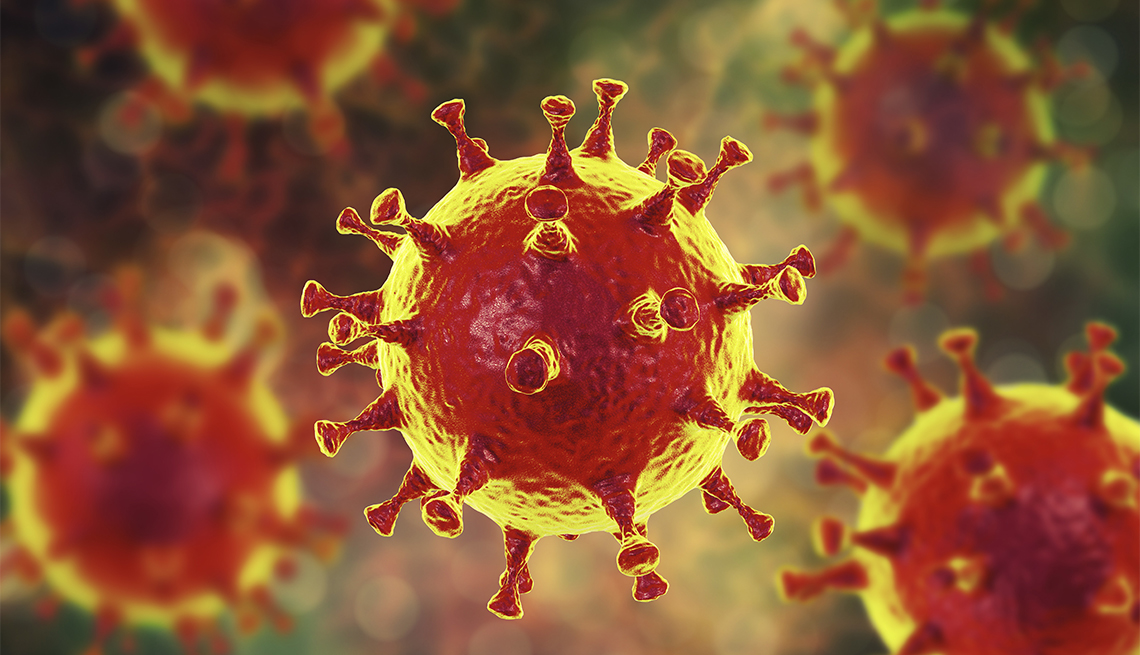
Consider the ways corona virus has unspoiled our norms and traditions. Who could have imagined drive-by birthday celebrations or virtual commencement ceremonies? Not long ago, few of us thought twice about reserving a cozy booth at a favorite eatery or reveling shoulder to shoulder at a concert venue.
Now we prioritize good health and hygiene. As America adapts to life in pandemic times, it’s useful to take stock of how we got where we are today and what we can do to protect ourselves and the people (and pets!) around us.
Think you know everything there is to know about this viral menace? Take our quiz to see if you’ve been paying close attention—and good luck!
I walked up to City Hall in Philadelphia for the first scheduled protest in my city mourning the loss of George Floyd, who was murdered by a police officer in Minneapolis. The streets were quiet due to COVID-19, but a small group of organizers set up in Dilworth Park—typically a space for interactive family fun.
The threat of corona virus is a major concern for protesters throughout the country, and many adjusted their plans to address the possibility of transmission. Here in Philadelphia, volunteers drew X’s on the ground for people to use as guides so they could stay at least six feet apart. The demonstration included a food bank, and volunteers handed out disposable masks and water.
Speakers used a megaphone so those far from the crowd could still hear stories and participate in chants. As we marched to the Museum of Art for the second scheduled gathering of the day, most people staggered their pace to avoid close contact. The sprawling lawns, wide sidewalk, and car-free parkway in front of the museum offered ample space to practice guidelines.
“Fortunately, many protesters appear to be wearing masks and attempting to be physically distanced, although risk probably increases any time protesters are congregating in large crowds.” Angela Rasmussen, PhD, a virologist at Columbia Mailman School of Public Health, tells Health.
(After the protest in the park, I reached out to Rasmussen to find out if she's been seeing protesters adhere to pandemic guidelines.) “COVID-19 is a concern at any mass gatherings, including protests, because it can be spread by pre symptomatic or asymptomatic patients,” she notes.
As a journalist, it was challenging to interview participants while maintaining a safe distance—and no one there seemed unhealthy, so the virus was easy to forget. Amid the chaos of police clashing later in the day, it became impossible for me to even try to follow recommendations. When I realized that my physical safety was being threatened, my body forgot all about invisible threats.
Although no amount of planning will guarantee health and safety, these careful considerations from medical professionals can alleviate the stress of not knowing what will happen once protesters hit the streets.
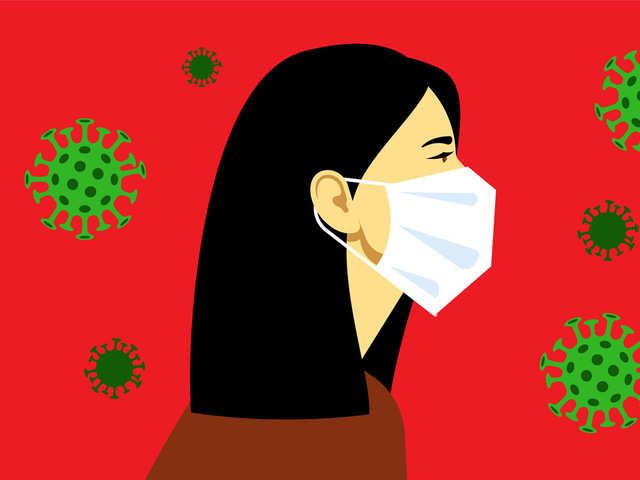
Just because you're at a protest doesn't mean you should stop wearing a mask (and bringing a spare), carrying hand sanitizer, and practicing good hand hygiene, says Rasmussen. And anyone who shows COVID-19 symptoms, believes they have been exposed to the virus, is currently recovering from it, or is high-risk, isolate at home.
“Support the protesters in other ways—donating to bail/legal defense funds/mutual aid groups, amplifying important messages online, and more," says Rasmussen. "They should not attend a protest or any other type of gathering.”
Erik Jervis, a New Jersey-based trauma-focused therapist, tells Health that he's concerned by protesters who have experienced direct trauma or witnessed trauma at protests. Even if you haven't been physically harmed at these events, seeing others being harmed or hearing their screams can still cause emotional distress.
“Ask yourself if you’re mentally and emotionally prepared to [be involved in or] witness confrontations,” advises Jervis. People with PTSD, anxiety, or trauma in their history could be triggered, he notes—even if they haven’t dealt with symptoms for many years.
“If you’re feeling wound up or anxious, be present and take a step back,” says Jervis. “Get away from it for a moment. Walking away from the march isn’t a negative thing. You can always rejoin when you’re ready.” It's important to get support before, during, and after these experiences, he adds.
A medic I encountered (who prefers to stay anonymous) suggests thinking about how well your body tolerates heat, long bouts of standing, potentially walking for miles, as well as physical and emotional stress.
Mark Pappadakis, DO, a New Jersey-based emergency medicine physician, agrees with this advice and tells Health that kneeling at a rally rather than marching might be a good option for those who are less mobile or more sensitive.
Pappadakis adds that protesters should reflect on their pre-existing conditions—even if they’re typically asymptomatic. Those who have COPD or asthma have a lower risk tolerance for irritants.
An asthma attack or breathing issues can be triggered by heat and humidity, walking for long hours, stress, and chemical exposure—even if you haven't had issues with these triggers before.
Finally, don't forget emergency medications—like inhalers and Epi-Pens—but also prescriptions you take regularly, in case of arrest or you're stuck in a location for longer than planned.
After I was exposed to tear gas, the skin around my hairline blistered for days because I wasn’t able to rinse it out of that area quickly enough. Pappadakis explains that skin irritations are a normal tear gas effect, and he also notes that vomiting and diarrhea can occur if the chemical is accidentally ingested.
“Both pepper spray and tear gas have a similar symptom presentation in patients. We’re usually worried about the eyes and lungs,” says Pappadakis. Eyes can swell or look similar to pink eye. Exposure can also cause wheezing, shortness of breath, and prolonged coughing.
Using a mask that seals tightly to the face with no gaps will help prevent these effects, he says. Because some people with asthma or breathing issues experience discomfort when wearing tight masks, they need to consider if it's wise to attend.
If you don't have a mask that seals up tightly, Pappadakis suggests pairing the mask you do have (which you should be wearing to protect against coronavirus anyway) with goggles to protect the eyes and lungs from tear gas.
If all you have is a cloth facial covering, put that on; it's better than nothing. Opt for long sleeves and long pants to protect the skin from exposure. He warns against wearing contacts; glasses are safer.
Protests can turn violent, so Pappadakis recommends carrying compression bandages and alcohol for cleaning wounds. Bring supplies for splints for ankles, legs, and joints in case of sprains or breaks.
Tourniquets are important in case of excessive bleeding, he adds, so know where and how to place them. A full-face gas mask could protect the eyes from rubber bullets, which have caused blindness and skull fractures.
Bumps and bruises happen, but people with increasing pain could have organ damage and should be seen at an ER, says Pappadakis. Concussions are another risk; if you get hit in the head and think you could have a concussion, seek medical attention ASAP.
It could lead to something more serious, like a brain hemorrhage. As the co-chair of a grassroots activism group that advocates for equitable access to quality emergency medical care, Pappadakis wants to highlight the importances of obtaining emergency care if needed. Know where the nearest ER or urgent care is and go if needed.
When I arrive on location, I scan the crowd for people I might need in an emergency. Medics often wear a red duct-taped medical cross symbol on their backpack and sleeves. These people will have the equipment and communication tools to get more help even if they aren’t formally trained.
In Philadelphia, some also carry glucose for diabetics and Epi-Pens for those who might have allergic reactions. Other volunteers, such as those handing out masks, hygiene kits, snacks, and bottled water are good to find, too. Keeping a mental tab of who these people are and what they’re wearing every day helps me find them when I need them.